Blog Post

How to Tell If Your Air Ducts Need Cleaning

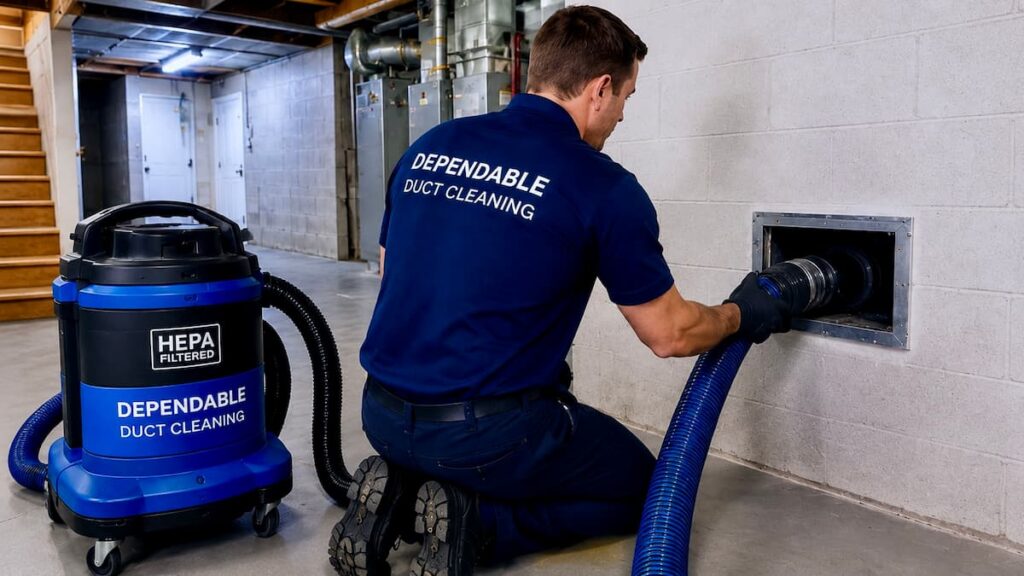
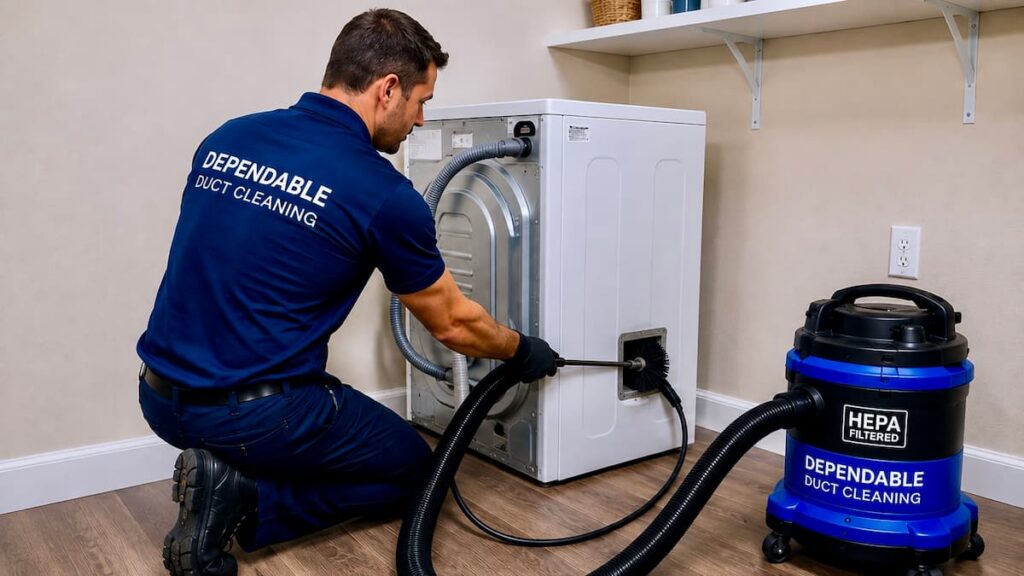
Dependable Duct Cleaning technician connecting HEPA-filtered vacuum to a residential duct access panel.

Most people searching for an answer to this question are hoping for a number. Clean your ducts every three years. Or every five. Something they can put on a calendar and not think about.

The honest answer is that no such number exists, at least not one the EPA endorses. According to EPA guidance (402-K-97-002, reviewed February 2026), air ducts should be cleaned as needed, not on a routine schedule, because the benefits in most circumstances remain uncertain. That is what the research actually says.

We are telling you this even though it may mean fewer calls to us. We would rather be the company you trust and call twice than the one that talked you into something you did not need.

What EPA Actually Says
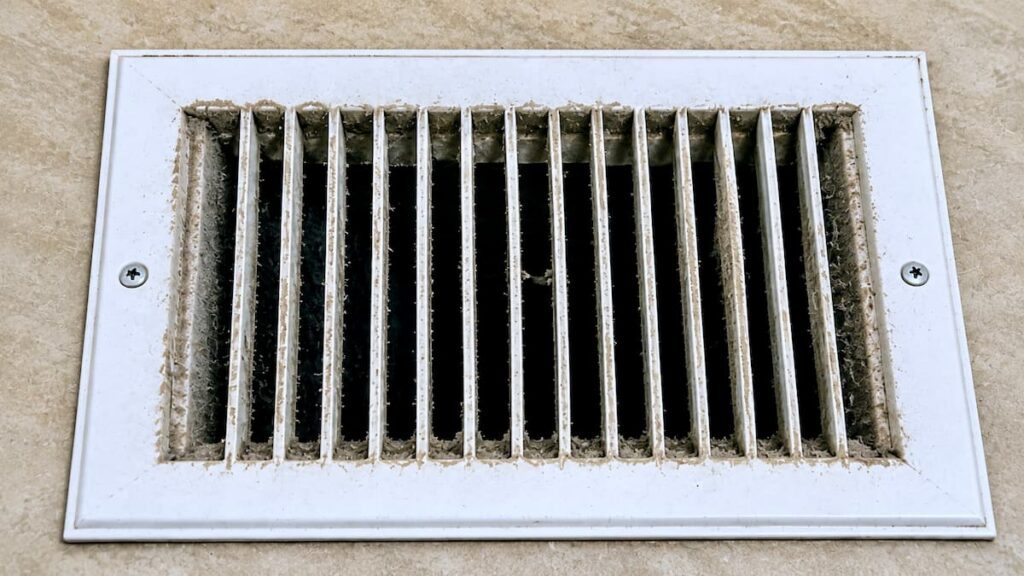
A residential ceiling supply register with visible dust accumulation around the louvers.

The EPA is careful about this subject. Duct cleaning has not been shown to prevent health problems, and studies do not conclusively demonstrate that dust levels in homes rise because of dirty ducts or fall after cleaning. Much of the dust that settles inside a duct system adheres to duct surfaces and does not necessarily make its way into the living space.

Dirty ducts, the EPA points out, are just one of many possible sources of airborne particles. Cooking, cleaning, smoking, and ordinary movement around the house can cause greater particle exposure than dirty ducts ever would.

“We’ve been doing this for nearly thirty years, and we hear the same thing from homeowners all the time: they read something online that said ducts need cleaning every few years, and they’re convinced they’re overdue. Sometimes they are. Sometimes their ducts look just fine, and I have to tell them they don’t need us yet. That’s just the honest way to do business.” Mike, our Owner and Operator

A light amount of household dust in air ducts is normal. The EPA is explicit: there is no evidence it poses any health risk.

The Three Conditions EPA Names
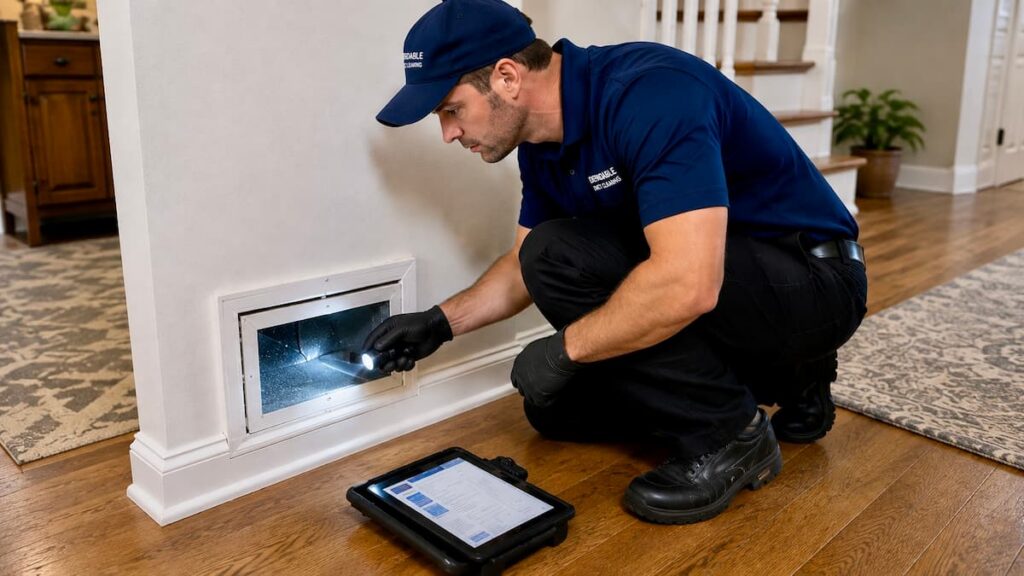
A technician examines a return air grate.

That said, the EPA does identify specific situations where duct cleaning is clearly warranted. There are three of them.

Substantial visible mold growth inside hard-surface ducts or on other HVAC system components. This one comes with important caveats. Many parts of a duct system aren’t accessible for visual inspection, so ask any provider to show you the mold they claim to have found. Only an expert can positively identify a substance that looks like mold, and in some cases it requires lab analysis. Wet or moldy duct insulation cannot be effectively cleaned and must be removed and replaced entirely. And this is the point that matters most: if you don’t correct the underlying condition that caused the mold, it will return no matter how well you clean.

Vermin infestation. If ducts are infested with rodents or insects, you need to clean them and seal the entry points. The EPA’s underlying point applies here as well: address the cause, or the problem comes back.

Ducts clogged with excessive debris to the point where particles are visibly being released into the living space through supply registers. Normal dust on a return register does not qualify. That is just air being pulled through the grate, and the registers can be vacuumed or removed and cleaned on their own.

“Be skeptical of any company that looks at your return register and immediately tells you the whole system needs cleaning. That register is supposed to collect dust. It’s doing its job.” Mike

What Poor Duct Cleaning Can Actually Do

This section matters because not all duct cleaning is equal. The EPA warns that an inadequate vacuum collection system can release more dust and contaminants into the home than simply leaving the ducts alone. A careless or undertrained provider can also damage ducts or the HVAC system itself.

This is not a hypothetical. That’s why we use HEPA-filtered vacuum equipment and follow NADCA standards on every job. If the cleaning is not done properly, it can leave the home worse off than before.

When You Probably Do Not Need It

If nobody in the household has unexplained symptoms or allergy issues, and a visual inspection of accessible registers and ducts shows no heavy deposits, no musty odor, or visible mold, the EPA says cleaning is probably unnecessary.

No other duct cleaning company in Connecticut is likely to publish that sentence. We think it is the most important one in this article.

What to Require From Any Duct Cleaning Company

The EPA’s expectations list is worth knowing before you hire anyone, including us. A reputable provider should open access ports to clean and inspect the full system. They should check for asbestos-containing materials before starting work. Vacuum equipment should either exhaust outside the home or use HEPA filtration if it exhausts inside. Protect carpet and furnishings throughout. Control brushing, using contact vacuuming to capture what is dislodged, with soft-bristled brushes on fiberglass duct board. Seal and re-insulate any access holes so they are airtight when the work is done. The work should follow NADCA standards.

On the hiring side, the EPA advises against companies that make sweeping health claims about duct cleaning, since research does not support them. It also cautions against any company that recommends cleaning as routine maintenance. And it warns explicitly: the EPA does not set duct cleaning standards, does not certify companies, and does not endorse any duct cleaning service. If a company tells you otherwise, walk away.

“Your job when hiring anyone for this work is to find someone who will give you a straight answer. If they’re telling you what you need before they’ve seen your system, that’s a red flag.” Mike
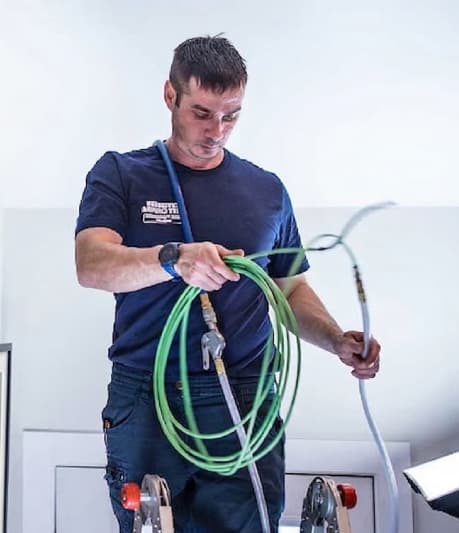
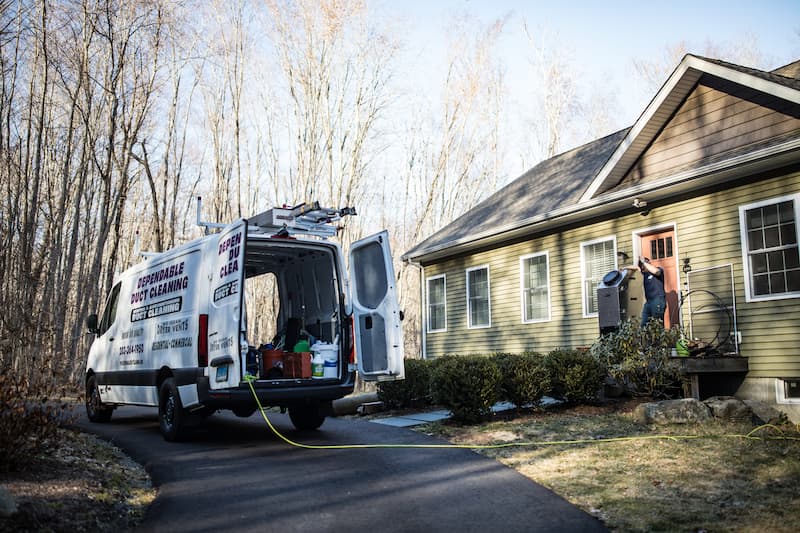
Before and after air duct cleaning results Fairfield County CT home
Residential Duct Cleaning Fairfield County

What Actually Prevents Duct Contamination

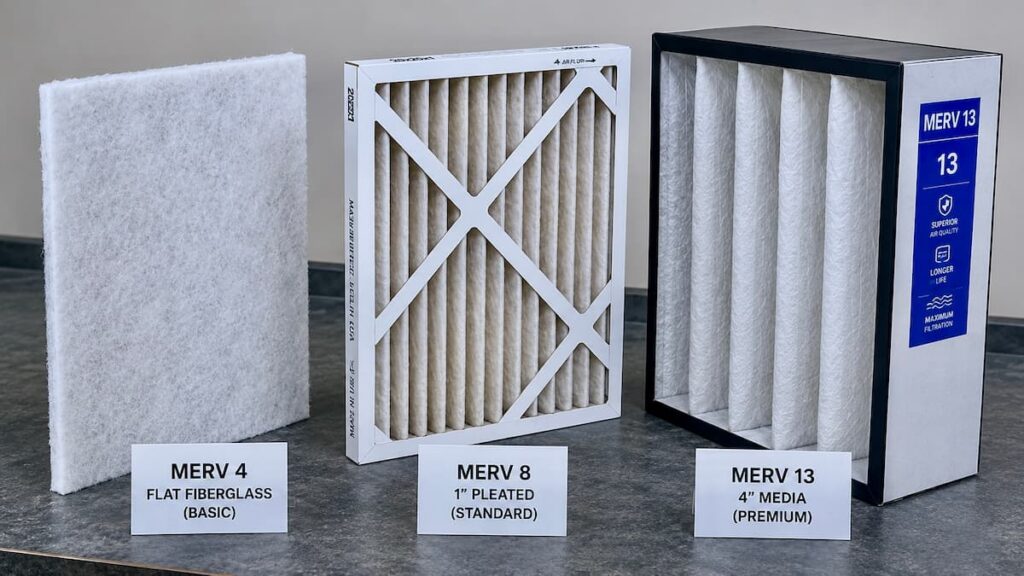
Prevention is simpler and more reliable than cleaning. The EPA recommends using the highest-efficiency filter your HVAC system manufacturer recommends, and changing it regularly. Make sure no filters are missing and that air cannot bypass the filter holder. Ask for coil and drain pan cleaning during routine HVAC service. Seal off supply and return registers during any dust-producing renovation work.

On moisture, which is the most common cause of mold in duct systems: repair leaks promptly, make sure the condensate pan drains properly, and ensure ducts in attics and crawlspaces are sealed and properly insulated.

For more on keeping your system in good shape between cleanings, see our guide to residential duct cleaning and our overview of air duct cleaning services across Fairfield, Litchfield, and New Haven Counties.

A Note on Cleaning More Often

Some homeowners, often parents of young children, ask whether cleaning more frequently than conditions would suggest is still worthwhile. The EPA says that, as long as the cleaning is done correctly, there is no evidence it would be harmful. We will not tell you it does more than that, and we will not tell you it is wasted money, either.
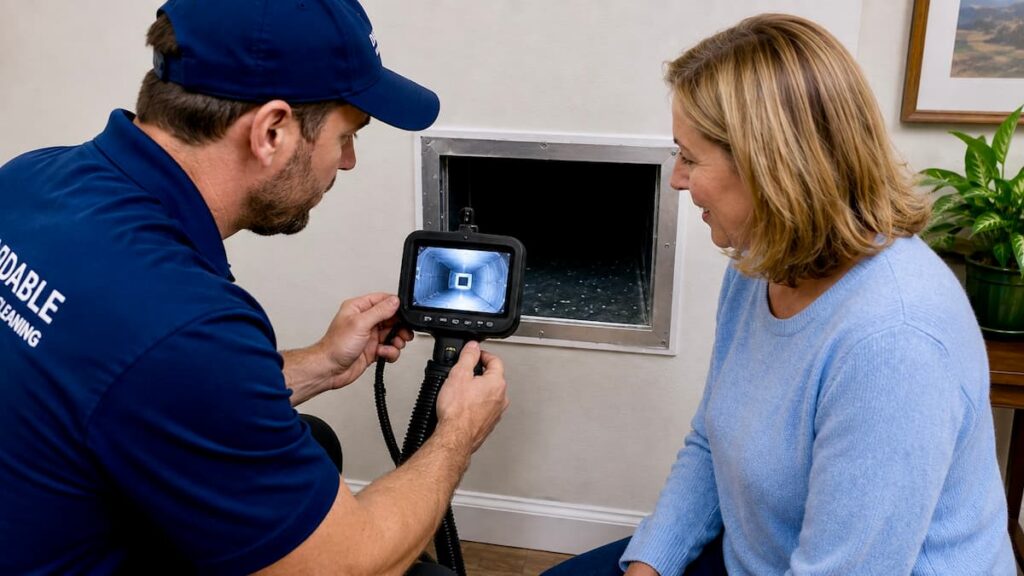
A technician showing a homeowner the interior of a freshly cleaned duct using a small inspection camera

Not Sure? Start With an Inspection.

If you are genuinely uncertain about the state of your duct system, the right move is a professional look, not a guess in either direction. We will come out, assess what is there, and tell you honestly whether cleaning makes sense.

If it does not, we will tell you that too.

Schedule a free in-home estimate or call us at (203) 364-1950. We serve homes and businesses throughout Fairfield County, Litchfield County, and New Haven County, CT.

Source: U.S. Environmental Protection Agency, “Should You Have the Air Ducts in Your Home Cleaned?” EPA 402-K-97-002, reviewed February 2026.
Category:

Share On :

Dependable Duct Cleaning technician connecting HEPA-filtered vacuum to a residential duct access panel.

How to Tell If Your Air Ducts Need Cleaning

Most people searching for an answer to this question are hoping for a number. Clean your ducts every three years. Or every five. Something they can put on a calendar and not think about.

The honest answer is that no such number exists, at least not one the EPA endorses. According to EPA guidance (402-K-97-002, reviewed February 2026), air ducts should be cleaned as needed, not on a routine schedule, because the benefits in most circumstances remain uncertain. That is what the research actually says.

We are telling you this even though it may mean fewer calls to us. We would rather be the company you trust and call twice than the one that talked you into something you did not need.

What EPA Actually Says

A residential ceiling supply register with visible dust accumulation around the louvers.

The EPA is careful about this subject. Duct cleaning has not been shown to prevent health problems, and studies do not conclusively demonstrate that dust levels in homes rise because of dirty ducts or fall after cleaning. Much of the dust that settles inside a duct system adheres to duct surfaces and does not necessarily make its way into the living space.

Dirty ducts, the EPA points out, are just one of many possible sources of airborne particles. Cooking, cleaning, smoking, and ordinary movement around the house can cause greater particle exposure than dirty ducts ever would.

“We’ve been doing this for nearly thirty years, and we hear the same thing from homeowners all the time: they read something online that said ducts need cleaning every few years, and they’re convinced they’re overdue. Sometimes they are. Sometimes their ducts look just fine, and I have to tell them they don’t need us yet. That’s just the honest way to do business.” Mike, our Owner and Operator

A light amount of household dust in air ducts is normal. The EPA is explicit: there is no evidence it poses any health risk.

The Three Conditions EPA Names

A technician examines a return air grate.

That said, the EPA does identify specific situations where duct cleaning is clearly warranted. There are three of them.

Substantial visible mold growth inside hard-surface ducts or on other HVAC system components. This one comes with important caveats. Many parts of a duct system aren’t accessible for visual inspection, so ask any provider to show you the mold they claim to have found. Only an expert can positively identify a substance that looks like mold, and in some cases it requires lab analysis. Wet or moldy duct insulation cannot be effectively cleaned and must be removed and replaced entirely. And this is the point that matters most: if you don’t correct the underlying condition that caused the mold, it will return no matter how well you clean.

Vermin infestation. If ducts are infested with rodents or insects, you need to clean them and seal the entry points. The EPA’s underlying point applies here as well: address the cause, or the problem comes back.

Ducts clogged with excessive debris to the point where particles are visibly being released into the living space through supply registers. Normal dust on a return register does not qualify. That is just air being pulled through the grate, and the registers can be vacuumed or removed and cleaned on their own.

“Be skeptical of any company that looks at your return register and immediately tells you the whole system needs cleaning. That register is supposed to collect dust. It’s doing its job.” Mike

What Poor Duct Cleaning Can Actually Do

This section matters because not all duct cleaning is equal. The EPA warns that an inadequate vacuum collection system can release more dust and contaminants into the home than simply leaving the ducts alone. A careless or undertrained provider can also damage ducts or the HVAC system itself.

This is not a hypothetical. That’s why we use HEPA-filtered vacuum equipment and follow NADCA standards on every job. If the cleaning is not done properly, it can leave the home worse off than before.

When You Probably Do Not Need It

If nobody in the household has unexplained symptoms or allergy issues, and a visual inspection of accessible registers and ducts shows no heavy deposits, no musty odor, or visible mold, the EPA says cleaning is probably unnecessary.

No other duct cleaning company in Connecticut is likely to publish that sentence. We think it is the most important one in this article.

What to Require From Any Duct Cleaning Company

The EPA’s expectations list is worth knowing before you hire anyone, including us. A reputable provider should open access ports to clean and inspect the full system. They should check for asbestos-containing materials before starting work. Vacuum equipment should either exhaust outside the home or use HEPA filtration if it exhausts inside. Protect carpet and furnishings throughout. Control brushing, using contact vacuuming to capture what is dislodged, with soft-bristled brushes on fiberglass duct board. Seal and re-insulate any access holes so they are airtight when the work is done. The work should follow NADCA standards.

On the hiring side, the EPA advises against companies that make sweeping health claims about duct cleaning, since research does not support them. It also cautions against any company that recommends cleaning as routine maintenance. And it warns explicitly: the EPA does not set duct cleaning standards, does not certify companies, and does not endorse any duct cleaning service. If a company tells you otherwise, walk away.

“Your job when hiring anyone for this work is to find someone who will give you a straight answer. If they’re telling you what you need before they’ve seen your system, that’s a red flag.” Mike

Before and after air duct cleaning results Fairfield County CT home
Residential Duct Cleaning Fairfield County

What Actually Prevents Duct Contamination

Prevention is simpler and more reliable than cleaning. The EPA recommends using the highest-efficiency filter your HVAC system manufacturer recommends, and changing it regularly. Make sure no filters are missing and that air cannot bypass the filter holder. Ask for coil and drain pan cleaning during routine HVAC service. Seal off supply and return registers during any dust-producing renovation work.

On moisture, which is the most common cause of mold in duct systems: repair leaks promptly, make sure the condensate pan drains properly, and ensure ducts in attics and crawlspaces are sealed and properly insulated.

For more on keeping your system in good shape between cleanings, see our guide to residential duct cleaning and our overview of air duct cleaning services across Fairfield, Litchfield, and New Haven Counties.

A Note on Cleaning More Often

Some homeowners, often parents of young children, ask whether cleaning more frequently than conditions would suggest is still worthwhile. The EPA says that, as long as the cleaning is done correctly, there is no evidence it would be harmful. We will not tell you it does more than that, and we will not tell you it is wasted money, either.

A technician showing a homeowner the interior of a freshly cleaned duct using a small inspection camera

Not Sure? Start With an Inspection.

If you are genuinely uncertain about the state of your duct system, the right move is a professional look, not a guess in either direction. We will come out, assess what is there, and tell you honestly whether cleaning makes sense.

If it does not, we will tell you that too.

Schedule a free in-home estimate or call us at (203) 364-1950. We serve homes and businesses throughout Fairfield County, Litchfield County, and New Haven County, CT.

Source: U.S. Environmental Protection Agency, “Should You Have the Air Ducts in Your Home Cleaned?” EPA 402-K-97-002, reviewed February 2026.

Category:

Uncategorized

Share On :