

Litchfield County has the oldest bones of any place we work. The Litchfield Hills are known across New England for their antique villages and country landscapes, and the homes match: many date to the 1700s and 1800s, and plenty have been added onto three, four, five times over the centuries. Every one of those additions changed how air moves through the house, and most of them happened long before anyone was thinking about ductwork.
We are based in Southbury, right on the county line, so the Litchfield hills are home territory for us.
In Litchfield, Woodbury, Roxbury, and the surrounding hill towns, forced-air heat is almost always a retrofit. Ducts were run wherever the structure allowed: through fieldstone basements, up chase walls that used to be chimneys, across attics with hand-hewn beams. These systems have more improvisation in them than anything built to plan, which means more joints, more transitions, and more places where dust settles and stays.
Old Litchfield County basements are beautiful and damp. Fieldstone breathes, groundwater moves through the hills, and basement humidity is a fact of life here. When the air handler and the duct trunk live in that basement, the system pulls that moisture into itself. Damp duct interiors hold dust differently than dry ones, and they are far more prone to musty odors and biological growth.
More homes in Litchfield County burn wood than anywhere else we serve. Wood stoves and fireplaces put fine particulate into the air all winter, and the furnace circulates it through every room. If you heat partly with wood, your ducts collect a season of smoke residue on top of ordinary dust, and you will see it on your filters and feel it in the air by February.
A good portion of Litchfield County housing sits closed up for weeks at a time. A closed house with a system cycling on setback is a still-air environment where dust settles deep into ductwork, and where any moisture problem quietly compounds. If you open your house for the season and the first thing you smell is stale air from the vents, the ducts are telling you something.
Gravel drives, dirt roads, farms, and open land all put more particulate into the air than a suburban street does. Homes along working roads in New Milford, Watertown, and the hill towns pull that in through every open door and window, and the return ducts collect it.
Satisfaction Guaranteed
Litchfield County is the coldest corner of Connecticut. Elevation matters here: winters arrive earlier, run longer, and dig deeper than they do down toward the coast. That translates directly into HVAC load. Furnaces in Norfolk or Litchfield run weeks longer per year than the same furnace would in Stamford, moving more air, drying the house harder, and accumulating more debris in the ducts per season.
Summers are milder than the coast, but the humidity still finds those stone basements, and more homeowners here rely on window units, mini-splits, or partial central air, which changes how air circulates and where dust collects.
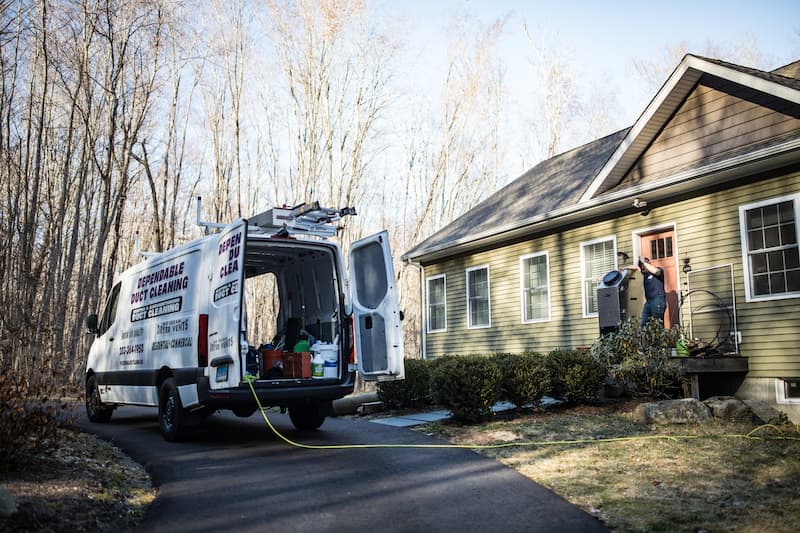
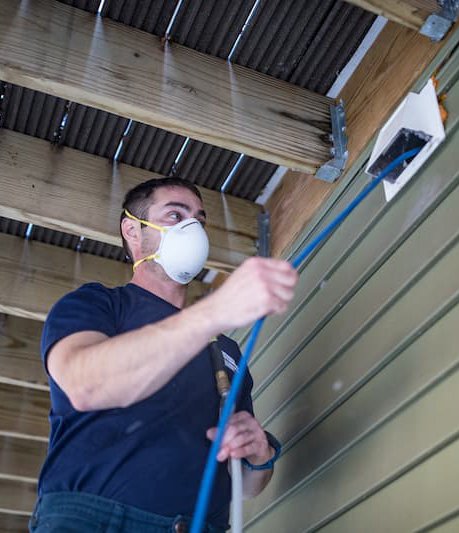
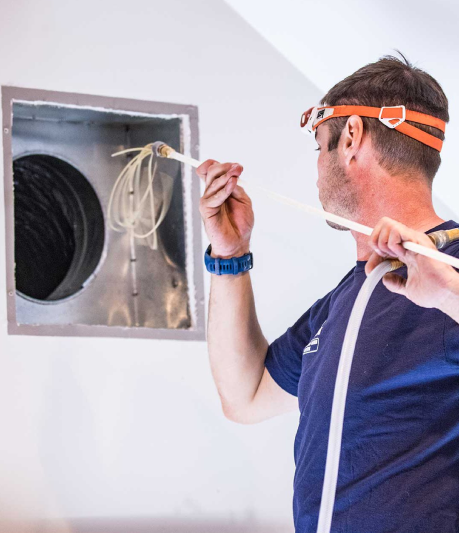
We serve homes, inns, offices, retail spaces, and multi-family properties across Litchfield County with flexible scheduling and post-service documentation. HEPA-filtered equipment, an OSHA 10 certified team, and a no-mess process, which matters when we are working in a 250-year-old house you have spent years caring for.
Residential homes. Commercial properties. Multi-family buildings. HEPA-filtered equipment, an OSHA 10 certified team, and a no-mess process.


Two cleanings a year, spring and fall, bracket Litchfield County’s dominant season. You clean up after the winter, and you get ready for the next one. For more on timing, see How Often Should You Clean Your Air Ducts?
Mud season outside means grit season inside. Pollen from the hardwood forests is heavy, and it arrives just as houses open up after months sealed tight. Spring is the first of your two annual cleanings: everything the long heating season deposited comes out before summer.
Basement humidity peaks. Systems that share space with a damp fieldstone foundation are working in the wettest air of the year, and this is when musty odors take hold if the ducts are carrying a load of damp dust.
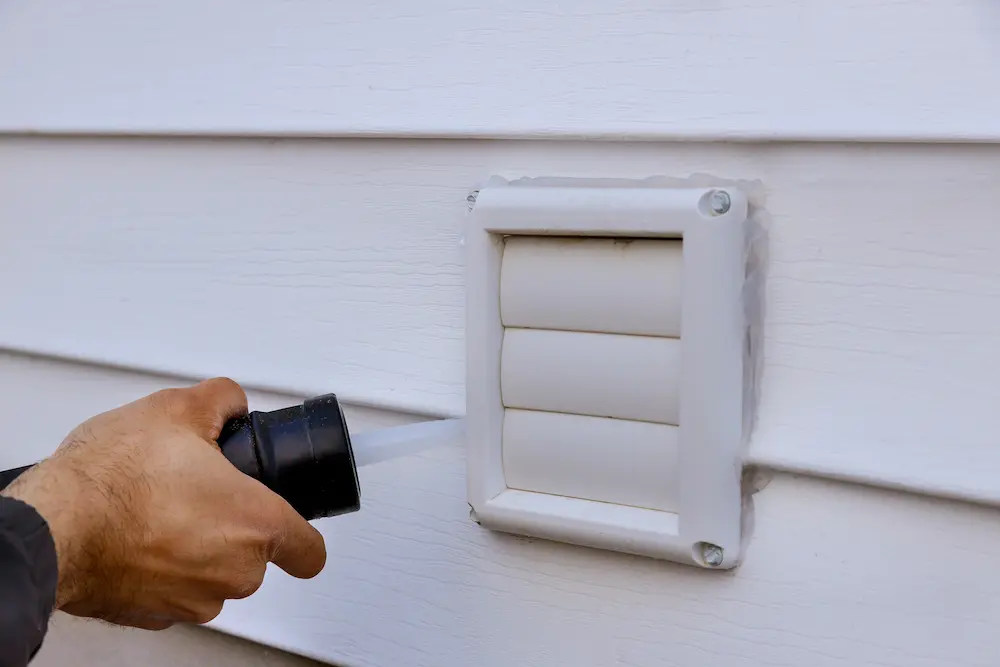
Heating season starts early up here. The fall cleaning, your second of the year, should happen before the first sustained furnace run, so the system starts the long winter clean. Fall is also the time to clear the dryer vent before it faces its heaviest months.
The longest season in the county, and the hardest on the system. Wood smoke, constant furnace cycles, sealed windows, and a dryer running through months of heavy laundry. Everything the house produces stays in the house, and the ductwork carries all of it.
The only duct cleaning company that actually came and looked at the job before providing an estimate. In a business that has too many unethical players, I felt like I could trust Sal and his team. They were neat and thorough, and while the price was a little higher than others, I got full value for what I spent.

Sal explained everything in detail and answered all of my questions. The crew was on time, professional, and did a great job. My ducts had a musty smell and I was waking up stuffy every morning — that's completely gone now. I'll be hiring them again next year.

The best in the business. We've had them out twice in the past three years and they do an incredible job. Very professional, very personable, and the work speaks for itself. You would be missing out if you didn't hire this company.

They were polite, considerate — offered to remove their shoes — on time, efficient, and knowledgeable. No high-pressure sales, just great work from start to finish. I always refer them when someone asks.